
Why Vacations Are Vital for Your Well-Being
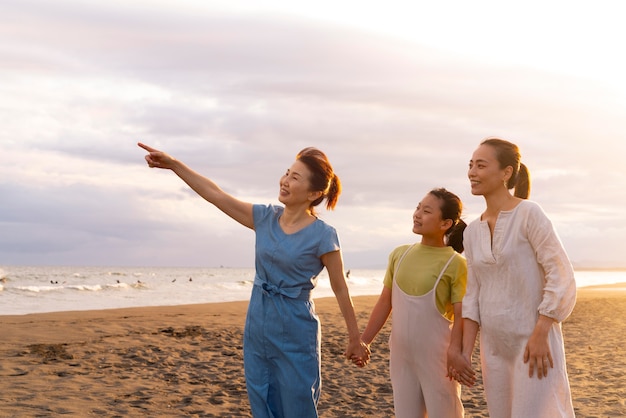
In the whirlwind of modern life, taking a break often feels like a luxury rather than a necessity. However, science and experience both agree—vacations are indispensable for mental, physical, and emotional health. The importance of taking vacations extends far beyond indulgence; it is a cornerstone for sustaining well-being in a fast-paced world.
The Connection Between Rest and Resilience
Vacations act as a circuit breaker for stress. Prolonged exposure to high-stress environments can lead to burnout, fatigue, and even chronic health conditions. By stepping away from work and daily responsibilities, your mind and body can reset, allowing you to return more focused and energized.
The health benefits of vacations are backed by numerous studies. Time away from routine lowers cortisol levels, the body’s primary stress hormone, and boosts endorphin production. The result? Improved mood, better sleep, and a sharper cognitive edge.
A Boost for Your Mental Health
Travel offers an unparalleled opportunity to reconnect with yourself and the world around you. New experiences, such as exploring a foreign culture or trying a novel activity, stimulate the brain and release dopamine—the “feel-good” neurotransmitter.
Furthermore, the well-being and travel connection is rooted in mindfulness. Being immersed in a different environment encourages you to be present, breaking free from the monotony of daily routines. Even a short trip to a nearby town or a hike in nature can have profound effects on mental clarity and emotional balance.
Strengthening Relationships
Vacations are not just about personal rejuvenation; they also strengthen the bonds we share with loved ones. Spending quality, uninterrupted time with family or friends fosters deeper connections and creates lasting memories.
For families, shared experiences like building sandcastles on a beach or exploring ancient ruins can bring everyone closer together. Similarly, couples find vacations an ideal time to rekindle romance, while friends discover new facets of their relationships through shared adventures.
The Physical Perks of Traveling
Your body benefits just as much as your mind. Regular vacations have been linked to reduced risk of heart disease and lower blood pressure. Physical activities often associated with travel, such as hiking, swimming, or walking through picturesque cities, keep you active and energized.
Even the act of planning a trip can elevate your mood. The anticipation of a getaway triggers a spike in happiness, making the journey just as fulfilling as the destination itself. This underscores the vacation benefits for health, both short-term and long-term.
Unlocking Creativity and Productivity
A well-rested mind is a creative mind. Stepping away from routine allows you to gain fresh perspectives, sparking ideas that may have been elusive amid daily pressures.
This is why vacations are often touted as productivity boosters. Upon returning, individuals frequently report greater motivation and efficiency. The old adage, “Work smarter, not harder,” rings true when breaks are strategically woven into your schedule.
The Social and Cultural Dimensions of Travel
Exploring new destinations opens doors to cultural enrichment and global awareness. Engaging with different communities, cuisines, and traditions broadens your horizons and deepens your empathy for others.
For those seeking adventure, travel also offers a chance to step outside comfort zones. Whether it’s zip-lining through a rainforest or navigating bustling markets, these moments create a sense of accomplishment that contributes to personal growth.
Tailoring Vacations to Your Needs
Not all vacations look the same, and that’s the beauty of it. Whether you’re drawn to tranquil beach retreats, bustling urban escapes, or serene mountain cabins, there’s a perfect getaway to suit your preferences.
For maximum impact, consider your current needs. Feeling overwhelmed? Opt for a wellness retreat with yoga and meditation. Craving stimulation? Choose a destination rich in history and activity.
The Ripple Effect of Vacations
The importance of taking vacations extends beyond individual well-being. A refreshed and recharged person contributes more positively to their community, workplace, and personal relationships. This ripple effect demonstrates that prioritizing self-care through travel benefits everyone in your circle.
Conclusion
In a world that often glorifies busyness, taking a vacation is a radical act of self-care. The health benefits of vacations, from reduced stress to enhanced creativity, are invaluable for maintaining a balanced and fulfilling life.
So, the next time you hesitate to book that trip, remember: it’s not just about leisure. It’s about your health, happiness, and the memories you’ll carry forever. Reclaim your well-being and embrace the transformative power of travel.